Jewellery Valuations in Hatton Garden, London
Understanding the value of your jewellery is important when arranging insurance, managing an estate or reviewing your personal collection. Whether you own a diamond engagement ring, a gold necklace, a valuable bracelet or a luxury watch, a professional jewellery valuation can help you establish an appropriate value for your specific requirements.
At The Ice Club, we understand that every piece of jewellery has its own characteristics, materials and significance. Located in the heart of Hatton Garden, London’s renowned jewellery district, we aim to help clients understand the factors that influence jewellery value and the importance of accurate valuation.
Whether you need a valuation for insurance, probate or estate purposes, understanding the process can help you make informed decisions about your jewellery.
Need assistance with your jewellery?
Contact The Ice Club to discuss your requirements.
What Is a Jewellery Valuation?
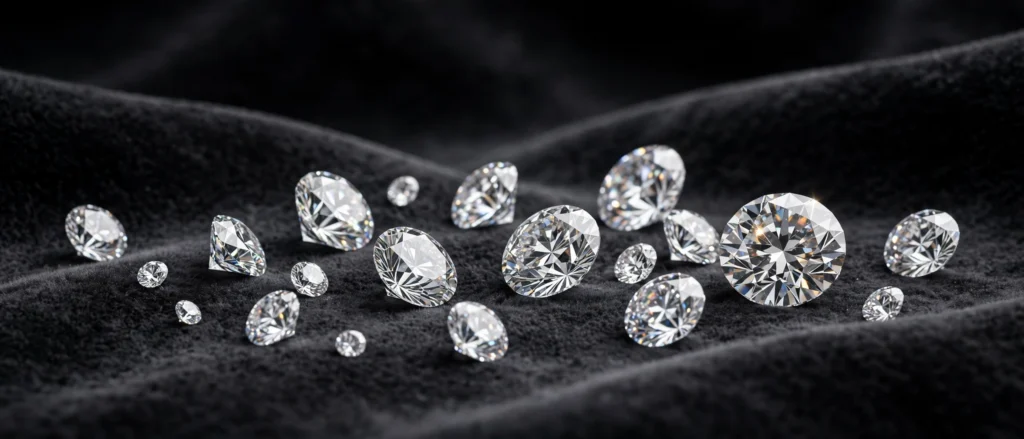
A jewellery valuation is an assessment of a piece’s monetary value based on its materials, design, condition and relevant market factors. The valuation may consider the quality of precious metals, the characteristics of gemstones, craftsmanship and any available supporting documentation.
The purpose of a valuation is important because different situations may require different types of value. For example, an insurance valuation may use a replacement-value basis, while a probate valuation may be prepared to establish the value of jewellery within an estate.
A valuation should clearly identify the item being assessed, explain the basis of the valuation and provide the information needed for its intended purpose.
Types of Jewellery Valuations
The type of valuation you need will depend on why you are having your jewellery assessed. Common valuation purposes include:

Insurance Jewellery Valuations
An insurance jewellery valuation helps establish an appropriate replacement value for jewellery that you wish to insure. It can be useful for valuable items such as diamond engagement rings, gemstone jewellery, gold bracelets and other precious pieces.
An insurance valuation may consider:
- The type and quality of precious metals
- Diamond and gemstone characteristics
- Design and craftsmanship
- Relevant replacement costs
- Identifying details of the jewellery
Keeping valuation documentation updated can help ensure your insurance information remains relevant as market conditions and replacement costs change.
Probate Jewellery Valuations
A probate jewellery valuation is used when jewellery forms part of a deceased person's estate. It helps establish the value of jewellery for estate administration and inheritance-related purposes.
Items may include diamond rings, gold chains, watches, bracelets, necklaces and other personal possessions.
The valuation should reflect the appropriate valuation basis and date required for the estate process. Where necessary, executors and estate administrators should seek guidance from the relevant legal or tax professionals.
Estate Jewellery Valuations
An estate jewellery valuation helps assess jewellery and other valuable personal items held within an estate. It may be required when managing an inheritance, reviewing assets or preparing estate records.
Each item can have different characteristics that influence its value, including its age, condition, materials, gemstones and design.
A clear valuation can help provide a better understanding of the jewellery included in an estate.
What Jewellery Can Be Valued?
Different types of jewellery require different considerations during the valuation process. The materials, gemstone quality, condition and craftsmanship all contribute to the assessment.
| Jewellery Type | What May Be Assessed |
|---|---|
|
Diamond Engagement Rings |
Diamond quality, cut, colour, clarity, carat weight and setting |
|
Diamond Earrings |
Diamond characteristics, matching stones and precious metal settings |
|
Diamond Necklaces |
Diamond quality, total gemstone weight, design and metal |
|
Diamond Bracelets |
Gemstone details, setting, craftsmanship and condition |
|
Gold Jewellery |
Gold purity, weight, design and condition |
|
Gemstone Jewellery |
Gemstone type, quality, treatment and setting |
|
Luxury Watches |
Brand, model, condition, materials and supporting documentation |
Explore our collections of Diamond Jewellery, Diamond Rings, Gold Jewellery and Jewellery & Watches.
How Is Jewellery Value Assessed?
The value of jewellery depends on several factors. A professional assessment considers the individual characteristics of each item rather than relying on its appearance or original purchase price alone.
1. Precious Metal Quality
Gold, platinum and other precious metals are assessed according to their type, purity and weight. Hallmarks can provide useful information about metal fineness and help identify the material used.
2. Diamond and Gemstone Quality
For diamond jewellery, the 4Cs — cut, colour, clarity and carat weight — are important considerations. Other gemstones may be assessed according to their type, colour, clarity, size, treatments and overall quality.
You can learn more about diamond characteristics in our Diamond Cuts Guide and explore our information about Natural Diamonds and Lab-Grown Diamonds.
3. Design and Craftsmanship
The design, construction and quality of workmanship can influence the value of a jewellery piece. Intricate settings, specialist craftsmanship and distinctive designs may require additional consideration.
4. Condition and Wear
The condition of jewellery is another important factor. Scratches, missing stones, damaged settings, repairs and general wear may affect an item’s assessment.
5. Brand and Provenance
For certain pieces, the maker, brand, age and documented history may be relevant. Original receipts, certificates, previous valuations and other supporting documents can help provide additional information.
Jewellery Valuation vs Selling Price: What Is the Difference?
A jewellery valuation and the amount you may receive when selling an item are not necessarily the same.
The valuation depends on its purpose. An insurance valuation may estimate the cost of replacing an item, while a valuation for probate or estate purposes follows a different basis. A potential selling price depends on factors such as market demand, the condition of the item, the materials and the buyer’s assessment.
For this reason, a valuation should always be understood in the context of its intended use.
If you are considering selling your jewellery, visit our Sell Your Gold page to learn more.
What Documents Should You Bring for a Jewellery Valuation?
Having relevant documents available can help provide a clearer understanding of your jewellery.
Depending on the item, useful documents may include:
- Original purchase receipts or invoices
- Diamond or gemstone grading certificates
- Previous jewellery valuation reports
- Manufacturer or brand documentation
- Watch papers and original packaging, where available
- Details of any previous repairs or alterations
Not every item will have all these documents. However, any available information can help support the assessment.
Why Hatton Garden Is Important for Jewellery Expertise
Hatton Garden has a long-standing reputation as London’s jewellery and diamond district. It brings together businesses specialising in precious metals, diamonds, gemstones and fine jewellery.
For anyone researching jewellery valuations in London, Hatton Garden is an established location associated with the jewellery trade. Its specialist environment makes it a relevant place to explore jewellery-related services and understand the factors involved in assessing valuable pieces.
The Ice Club is based around the Hatton Garden jewellery market, serving clients interested in fine jewellery, diamonds, gold and precious items.
Explore Jewellery Services at The Ice Club
Explore our related jewellery services and guides from The Ice Club, Hatton Garden.
Diamond Engagement Rings
Find inspiration for a meaningful occasion.
Jewellery & Watches
Fine jewellery and luxury watches at The Ice Club, Hatton Garden.
Certified Loose Diamonds
Learn more about our certified loose diamond offering.
Jewellery Repairs & Restoration
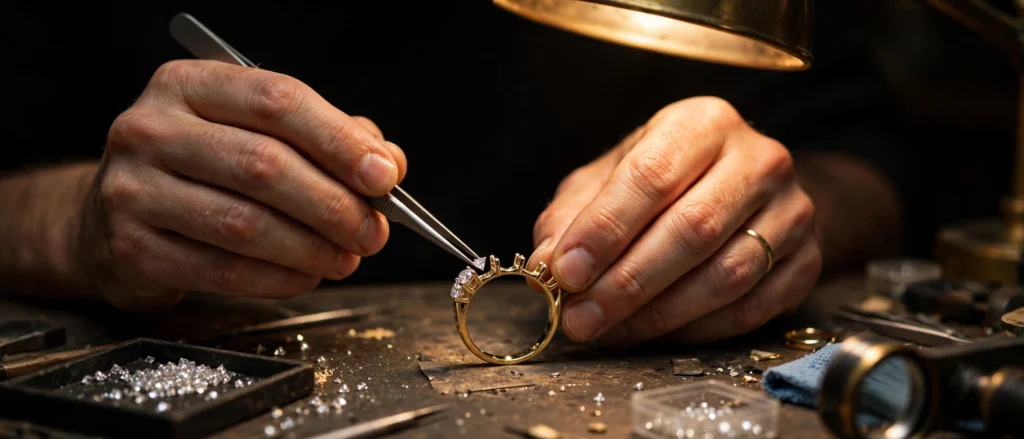
Explore jewellery repairs and restoration, from resizing to full restoration.

Fine Jewellery
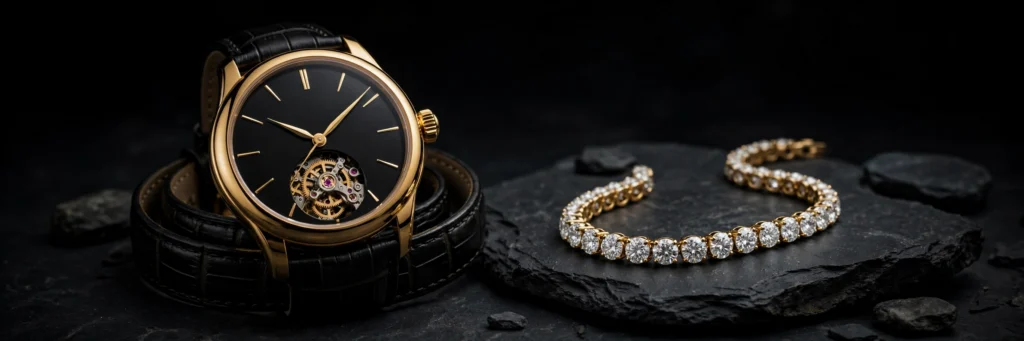
Explore fine jewellery, from classic pieces to bespoke designs.
Discuss Your Jewellery Valuation Requirements with The Ice Club
Whether you are reviewing your personal jewellery collection, arranging insurance documentation or dealing with an estate, understanding the value of your precious items is an important step.
From diamond engagement rings and fine jewellery to gold pieces and luxury watches, each item has its own characteristics that need to be considered.
Contact The Ice Club to discuss your jewellery requirements and find out more about the services available.
Explore Fine Jewellery. Understand Its Value. Make Informed Decisions.
Frequently Asked Questions
1. What is included in a jewellery valuation?
A jewellery valuation may include details about the item’s materials, precious metal purity, gemstone characteristics, craftsmanship, condition and estimated value. The information included depends on the purpose of the valuation.
2. How much does a jewellery valuation cost in London?
The cost can vary depending on the type, number and complexity of items being assessed, as well as the purpose of the valuation. Contact the provider to confirm the applicable fees before arranging an assessment.
3. Do I need a jewellery valuation for insurance?
An insurer may request a professional valuation for certain valuable jewellery items. Requirements vary between insurance providers, so it is worth checking what documentation your policy requires.
4. What is the difference between an insurance and probate valuation?
An insurance valuation generally relates to the cost of replacing an item, whereas a probate valuation is prepared to establish its value for estate administration purposes. The appropriate valuation basis depends on the intended use.
5. Can diamond engagement rings be valued?
Yes. A diamond engagement ring can be assessed by considering the diamond’s 4Cs, the precious metal, setting, craftsmanship and overall condition.
6. Can gold jewellery be valued?
Gold jewellery can be assessed according to its purity, weight, design and condition. Other features, including gemstones and craftsmanship, may also influence its overall value.
7. Should I update my jewellery valuation?
It can be sensible to review valuations periodically, particularly when precious metal prices, gemstone markets or replacement costs change. Your insurer may also have specific requirements about how frequently valuations should be updated.
8. Is a jewellery valuation the same as a selling price?
No. A valuation depends on its purpose, while a selling price depends on market demand and the terms of a potential sale. An insurance replacement value, for example, should not automatically be treated as the amount you could receive when selling an item.