Diamond Cuts & Shapes in Hatton Garden, London
Explore Beautiful Diamond Cuts at The Ice Club
Located in Hatton Garden, London’s renowned jewellery quarter, The Ice Club welcomes clients exploring fine diamonds, diamond jewellery and bespoke designs. Whether you are considering a diamond for an engagement ring, a special gift or a personally commissioned piece, understanding the different diamond cuts can help you make a more confident choice.
Our guide explores nine popular diamond shapes, their distinctive characteristics and the factors worth considering when selecting a diamond.
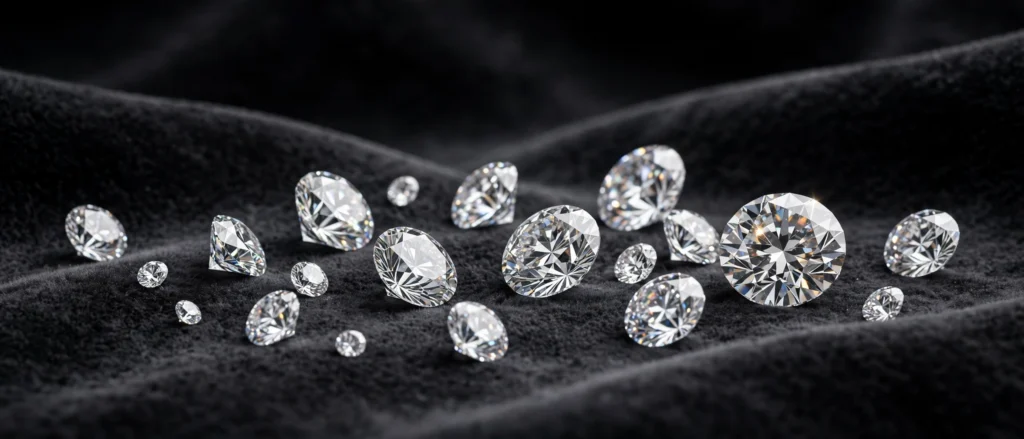
Discover 9 Different Diamond Shapes
Diamond shape influences the overall appearance of a stone and how it sits within a jewellery setting. Some shapes are known for their brilliance, while others are appreciated for their symmetry, proportions and distinctive outlines.
Round Brilliant Cut Diamonds
The Round Brilliant is a classic choice for diamond jewellery. Its circular outline and carefully arranged facets are designed to maximise the reflection of light, creating the bright sparkle for which this shape is recognised.
Its versatility makes it suitable for a wide range of jewellery designs, particularly solitaire engagement rings, diamond earrings and timeless pendants.
Why consider it?
- Traditional and widely recognised diamond shape.
- Excellent potential for brilliance and fire.
- Works with a variety of engagement ring settings.
Oval Cut Diamonds
Oval diamonds offer an elongated alternative to the traditional Round Brilliant. Their curved outline creates a graceful appearance, while their brilliant-style faceting produces attractive sparkle.
The extended shape can also create the impression of a larger face-up diamond compared with some other shapes of the same carat weight.
Why consider it?
- Elegant elongated appearance.
- Combines traditional brilliance with a contemporary silhouette.
- Particularly suited to elongated engagement ring designs.
Emerald Cut Diamonds
The Emerald Cut is recognised by its rectangular outline, clipped corners and parallel step-cut facets. Instead of intense scattered sparkle, it produces broad flashes of light and a distinctive hall-of-mirrors effect.
Its open table makes clarity and the internal appearance of the stone particularly important when comparing diamonds.
Why consider it?
- Refined and geometric appearance.
- Distinctive step-cut pattern.
- Ideal for understated and sophisticated jewellery.
Princess Cut Diamonds
With its square outline and pointed corners, the Princess Cut offers a modern interpretation of traditional diamond brilliance. Its faceting arrangement creates lively sparkle, while its geometric shape works particularly well in contemporary jewellery.
Why consider it?
- Clean square appearance.
- Bright, brilliant-style sparkle.
- Suitable for modern engagement rings and diamond settings.
Cushion Cut Diamonds
The Cushion Cut combines a square or rectangular shape with softly rounded corners. Its outline resembles a traditional cushion, giving it a softer appearance than sharper geometric cuts.
Depending on its faceting arrangement, a Cushion Cut can display a romantic, gentle glow or a more pronounced sparkle.
Why consider it?
- Soft, rounded corners.
- Vintage-inspired character.
- Available in different proportions and faceting styles.
Pear Cut Diamonds
The Pear Cut, sometimes called the Teardrop Cut, features one rounded end and one pointed end. Its distinctive outline combines elements of Round and Marquise shapes.
It can be set with the point facing towards or away from the wearer, allowing different looks within engagement rings, pendants and other fine jewellery.
Why consider it?
- Distinctive teardrop silhouette.
- Elegant appearance in pendants and rings.
- Offers flexibility in jewellery design.
Marquise Cut Diamonds
The Marquise Cut has an elongated body with pointed ends at both sides. Its distinctive proportions create a dramatic outline and can make the diamond appear larger face-up relative to its carat weight.
Its shape is particularly suited to jewellery designs that emphasise length and symmetry.
Why consider it?
- Long, distinctive silhouette.
- Creates an elegant visual impression.
- Suitable for statement and contemporary jewellery.
Radiant Cut Diamonds
The Radiant Cut combines a rectangular or square outline with brilliant-style faceting. Its trimmed corners give it a recognisable shape, while its internal facets create lively reflections.
It offers an interesting alternative for people who appreciate the structure of an Emerald Cut but prefer a more brilliant appearance.
Why consider it?
- Geometric outline with sparkling facets.
- Available in square and rectangular proportions.
- Works well in a variety of ring settings.
Asscher Cut Diamonds
The Asscher Cut is a square-shaped diamond with clipped corners and a distinctive step-cut arrangement. Its symmetrical design creates depth and a layered visual effect, often associated with vintage and Art Deco-inspired jewellery.
The proportions and clarity of an Asscher Cut are important considerations because its open table makes the internal characteristics of the diamond more visible.
Why consider it?
- Distinctive square shape.
- Symmetrical step-cut faceting.
- Particularly appealing for vintage-inspired designs.

Choosing a Diamond in Hatton Garden: What Should You Consider?
Hatton Garden has a long-standing association with London’s diamond and jewellery trade. For anyone exploring diamond jewellery in the area, understanding what to look for can make the selection process more straightforward.
Before choosing a diamond, consider the following factors:
Your preferred appearance
Decide whether you prefer a traditional round shape, an elongated silhouette or a more structured geometric design. The shape should complement your personal style and the jewellery you have in mind.
The intended jewellery setting
A diamond’s shape influences the type of setting that may suit it. For example, a Pear Cut requires particular attention to the protection of its pointed end, while an Emerald Cut often works beautifully in clean, structured settings.
Diamond proportions
Two diamonds with the same shape and carat weight can look different because of their measurements and proportions. Comparing the length, width and overall appearance of a stone is therefore important.
Quality and certification
Consider the diamond’s colour, clarity, cut quality and carat weight. Where applicable, review an independent grading report to understand the characteristics of the individual stone.
Your budget and priorities
Decide which diamond characteristics matter most to you. Some buyers prioritise carat weight, while others place greater importance on brilliance, clarity or a particular shape.
Understanding the 4Cs of Diamond Quality
Diamond shape is only one part of choosing the right stone. The 4Cs provide a recognised framework for understanding and comparing diamond quality.
Cut
Cut refers to the quality of a diamond’s proportions, symmetry and polish, which influence how effectively it interacts with light. A well-cut diamond can display attractive brilliance, fire and sparkle.
Cut grading is particularly established for Round Brilliant diamonds. Other shapes may be assessed differently depending on the grading laboratory.
Colour
Diamond colour is commonly assessed using the D-to-Z grading scale. D represents colourless, while progressively lower grades show increasing traces of colour.
The visual difference between grades can vary depending on the diamond’s shape, size and setting.
Clarity
Clarity describes the natural inclusions within a diamond and blemishes on its surface. Grading ranges from Flawless (FL) to Included (I).
The number, size, position and visibility of these characteristics influence the clarity grade.
Carat Weight
Carat measures a diamond’s weight rather than its physical size. One carat is equal to 200 milligrams.
A diamond’s face-up appearance also depends on its shape and proportions, meaning two diamonds with the same carat weight may look noticeably different.
Which Diamond Shape Is Right for Your Jewellery?
The right shape depends on the look you want to achieve and how the diamond will be worn.
| Diamond Shape | Distinctive Appearance | Suitable Jewellery |
|---|---|---|
| Round Brilliant | Circular and brilliant | Engagement rings and earrings |
| Oval | Gracefully elongated | Rings and pendants |
| Emerald | Rectangular step-cut | Elegant rings |
| Princess | Square and sparkling | Modern engagement rings |
| Cushion | Soft, rounded outline | Vintage-inspired rings |
| Pear | Teardrop silhouette | Pendants and rings |
| Marquise | Long with pointed ends | Statement rings |
| Radiant | Geometric with brilliant facets | Contemporary rings |
| Asscher | Square step-cut | Art Deco-inspired jewellery |
Rather than following trends alone, consider which shape you would enjoy wearing for years to come.
Explore Diamond Jewellery at The Ice Club, Hatton Garden
Finding the right diamond can be the beginning of something special. Whether you are interested in an individual loose stone, a diamond engagement ring or a distinctive jewellery design, exploring the available options is an important part of the process.
The Ice Club brings its jewellery offering to Hatton Garden, giving clients a place to explore different styles of fine and diamond jewellery.
Discover more from our collections:


Diamond Engagement Rings
Explore designs for one of life's most meaningful occasions.
Certified Loose Diamonds
Learn more about our certified loose diamond offering.

Bespoke Jewellery
Explore jewellery created around individual preferences and design ideas.
Lab-Grown Diamonds
Explore lab-grown diamonds, created with advanced technology.
Find Your Diamond with The Ice Club
From the timeless Round Brilliant to the distinctive Asscher and Radiant Cuts, every diamond shape has its own appeal.
If you are exploring diamond cuts and fine jewellery in Hatton Garden, London, The Ice Club invites you to discover its diamond collections and discuss your jewellery preferences.
Explore our diamond collections and take the next step towards finding a diamond that reflects your style.
Frequently Asked Questions About Diamond Cuts
Which diamond cuts are popular in Hatton Garden?
Round Brilliant, Oval, Emerald, Princess and Cushion are among the widely recognised diamond shapes. The choice depends on personal style, jewellery design and the appearance you prefer.
What is the difference between diamond cut and diamond shape?
Diamond shape describes the outline of the stone, such as Round, Oval or Pear. Cut quality refers to its proportions, symmetry and polish, which influence how it reflects light.
Which diamond shape gives the most sparkle?
Round Brilliant diamonds are particularly well known for their brilliance. Other shapes with brilliant-style faceting, such as Oval, Princess and Radiant, can also produce impressive sparkle.
Which diamond shape looks largest?
Oval and Marquise diamonds can appear larger face-up than some other shapes of the same carat weight because of their elongated proportions. Actual appearance depends on the individual stone’s measurements.
Are Emerald Cut diamonds different from Radiant Cut diamonds?
Yes. Emerald Cut diamonds use step-cut facets to create broad flashes of light, while Radiant Cut diamonds feature brilliant-style faceting designed to produce more sparkle.
What should I check before buying a diamond in Hatton Garden?
Consider the diamond’s shape, proportions, colour, clarity, cut quality and carat weight. If the stone comes with an independent grading report, review its details to understand the diamond’s characteristics.
What are the 4Cs of diamonds?
The 4Cs are Cut, Colour, Clarity and Carat Weight. They provide a recognised way to assess and compare diamond quality.
Can I choose a particular diamond shape for a bespoke engagement ring?
Yes. Different diamond shapes can be considered when planning an engagement ring design. The choice will depend on the desired appearance, setting and the diamond’s proportions.