Certified Loose Diamonds in Hatton Garden, London
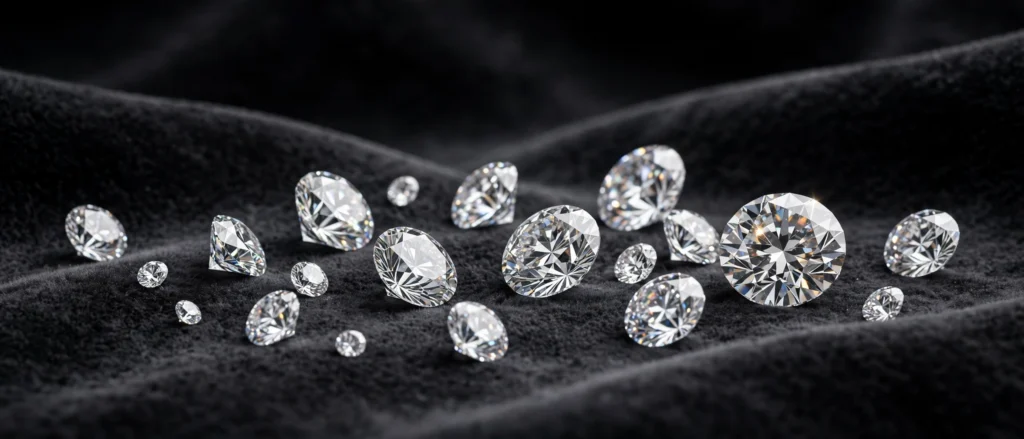
A certified loose diamond is an unset diamond accompanied by a diamond grading report. The report provides important information about the stone’s characteristics, helping you understand and compare diamonds before choosing one for a ring, necklace, bracelet, earrings or bespoke jewellery.
We can help you explore certified diamond options based on your preferred shape, cut, colour, clarity and carat weight.
Book a Private Diamond Consultation
Certified Loose Diamonds for Jewellery

Certified Diamonds for Diamond Rings
Loose diamonds can also be selected for classic or bespoke diamond rings. The design can be developed around the proportions and characteristics of the chosen stone.

Certified Diamonds for Engagement Rings
A certified loose diamond can be selected first and then incorporated into a bespoke engagement ring. You can choose the diamond based on your preferred shape, carat, colour, clarity and other characteristics.
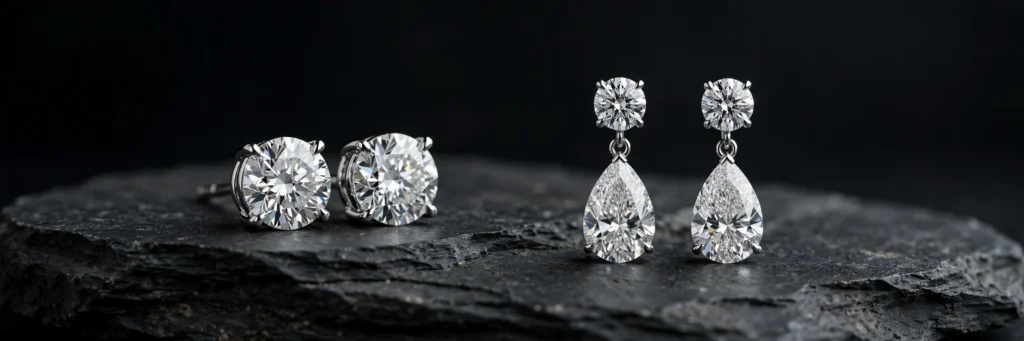
Certified Diamonds for Earrings
Matching loose diamonds can be selected for a pair of bespoke diamond earrings. Shape, size, colour, clarity and cut can all be considered when creating a balanced pair.
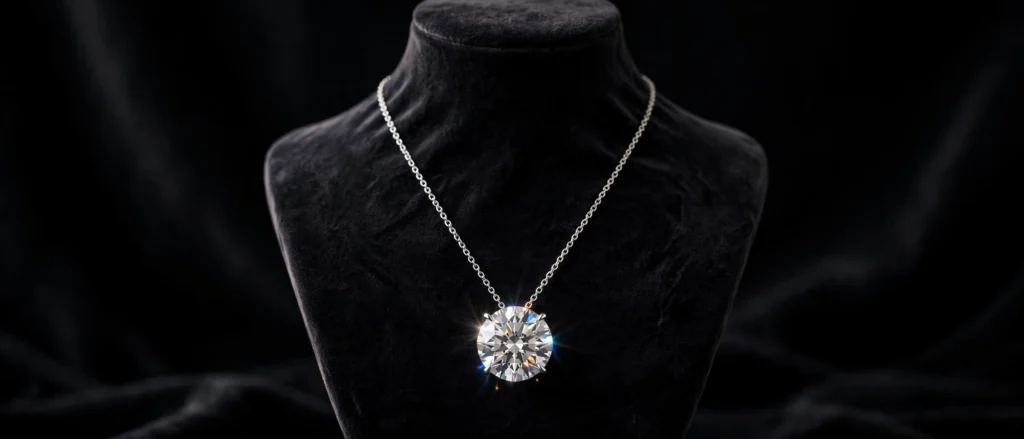
Certified Diamonds for Pendants
A loose diamond can become the centrepiece of a bespoke pendant or diamond necklace. The setting and precious metal can be selected to complement the stone.
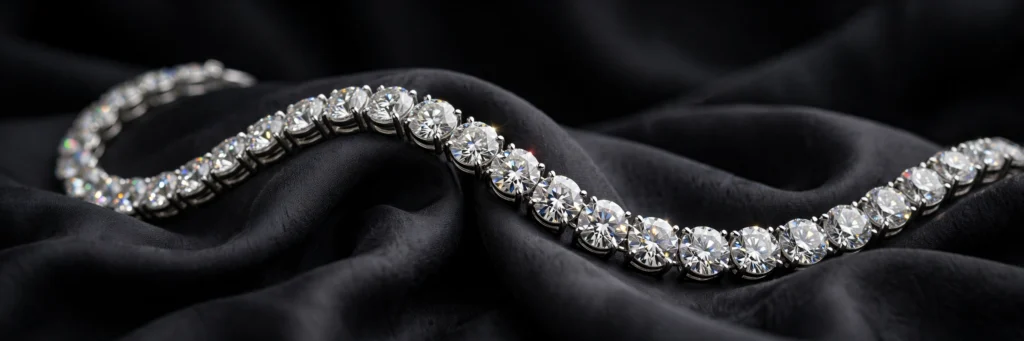
Certified Diamonds for Bracelets
Multiple certified diamonds can be selected for bespoke bracelet designs. For designs containing several stones, consistency between the diamonds can be considered as part of the selection process.
GIA, IGI & WGI Diamond Reports
GIA Diamonds
GIA is widely recognised for diamond research and grading. A GIA diamond grading report provides information about characteristics such as the diamond’s colour, clarity, cut and carat weight, depending on the report type. If you are looking for a diamond with a GIA report, we can discuss suitable options based on your requirements.IGI Diamonds
IGI, the International Gemological Institute, provides grading reports for diamonds and gemstones. IGI reports can provide information about a diamond’s characteristics and identification details. If you are considering an IGI-graded diamond, we can help you compare suitable options.WGI Diamonds
WGI reports can also provide grading information and identifying details for suitable diamonds. If you have a WGI report and would like to understand the information provided, our team can discuss the available documentation with you. Ask About Certified DiamondsCertified Loose Diamonds by Shape
The shape of a diamond can have a major influence on the appearance of your finished jewellery.
Popular options include:
Round Diamonds
Round diamonds are a classic choice and are commonly selected for engagement rings, pendants, earrings and other jewellery.
Oval Diamonds
Oval diamonds offer an elongated appearance and can create an elegant look in many jewellery designs.
Emerald Diamonds
Emerald-cut diamonds have a distinctive step-cut appearance and are known for their clean, structured look.
Princess Diamonds
Princess-cut diamonds have a square or rectangular outline and can provide a contemporary appearance.
Cushion Diamonds
Cushion-cut diamonds combine rounded corners with a square or rectangular outline.
Pear Diamonds
Pear-shaped diamonds combine features of round and marquise shapes and can create a distinctive appearance.
Marquise Diamonds
Marquise diamonds have an elongated shape with pointed ends and can create a striking look.
Radiant Diamonds
Radiant-cut diamonds combine a rectangular or square outline with brilliant-style faceting.
Asscher Diamonds
Asscher-cut diamonds have a square outline and step-cut faceting, creating a distinctive geometric appearance.
Explore All Diamond Cuts

Why Buy a Certified Diamond?
Buying a diamond is a significant decision. A grading report can provide useful information about the individual stone and help you compare different options.
Understand the Diamond’s Characteristics
A grading report provides details about the diamond’s assessed characteristics.
This allows you to look beyond appearance alone when comparing different stones.
Compare Different Diamonds
Two diamonds can have the same carat weight but look different because of differences in cut, colour, clarity, proportions and other characteristics.
A report can help you make a more informed comparison.
Choose a Diamond for Bespoke Jewellery
Buying a loose diamond gives you the flexibility to select the stone before deciding how it will be set.
Your chosen diamond can potentially become the centrepiece of a bespoke engagement ring, necklace, bracelet, earrings or another jewellery design.
Keep the Diamond Documentation
A grading report provides a record of the characteristics assessed for the individual diamond.
The report should be kept safely with your jewellery documentation.
Create Your Bespoke Piece
How to Choose a Certified Loose Diamond
Choosing a diamond does not have to mean simply selecting the highest grade available.
The right diamond depends on your budget, intended jewellery design and personal preferences.
1. Decide Your Budget
Start with a realistic budget for the diamond and the finished jewellery.
2. Choose the Diamond Shape
Decide whether you prefer a round, oval, emerald, princess, cushion or another diamond shape.
3. Consider Carat Weight
Choose a carat weight that works with your preferred design and overall budget.
4. Compare Cut
For diamonds where cut is graded, compare the cut and other proportions that can influence appearance and brilliance.
5. Consider Colour
Decide how important colour is to you and how the diamond will look alongside your chosen precious metal.
6. Consider Clarity
Look at clarity alongside the diamond’s overall appearance rather than focusing on the grade alone.
7. Review the Diamond Report
Check the report details and make sure they correspond with the diamond being offered.
8. Consider the Finished Jewellery
Think about how the loose diamond will eventually be used.
The setting, metal and design can all influence how the finished diamond jewellery looks.
Discuss Your Diamond Requirements

Our Certified Diamond Selection Process
Choosing a loose diamond should be a clear and considered process.
Private Consultation
We begin by understanding what you are looking for, whether you need a diamond for jewellery, a bespoke design or another purpose.
Diamond Requirements
We discuss your preferred shape, carat weight, colour, clarity, cut and budget.
Diamond Options
Suitable loose diamond options can then be discussed based on your requirements and availability.
Review the Report
The accompanying grading documentation can be reviewed so you understand the information provided about the stone.
Compare Your Options
You can compare different diamonds and decide which combination of characteristics works best for you.
Choose Your Diamond
Once you are comfortable with your preferred stone, the diamond can be selected for your intended purpose.
Jewellery Design
If the diamond is being purchased for bespoke jewellery, the next stage is to develop the jewellery design around the selected stone.
Discuss Your Diamond Requirements
Understanding the 4Cs
The 4Cs are four important characteristics used when assessing diamonds:
- Cut
- Colour
- Clarity
- Carat
Understanding the 4Cs can help you compare diamonds and decide which characteristics matter most to you.
Cut
Cut describes how a diamond has been fashioned and how its proportions and finish affect its interaction with light.
A well-cut diamond can display strong brightness and sparkle.
Colour
Diamond colour describes the degree of colour visible in a diamond.
For many colourless diamonds, grading ranges from higher colour grades through to diamonds with more noticeable colour.
The right choice depends on your preferences, the diamond and the jewellery design.
Clarity
Clarity refers to internal characteristics and surface features within a diamond.
These characteristics can vary from one stone to another and can influence appearance and grading.
Carat
Carat refers to the weight of the diamond.
Carat weight should not be confused with physical size. Two diamonds with the same carat weight can have different measurements and appearances depending on their shape and proportions.
Learn About Diamond Cuts
Certified Diamond Services for Private Clients
The Ice Club provides a private approach for clients purchasing, creating, valuing or managing valuable jewellery.
Diamond Selection
Compare suitable loose diamonds according to your preferred characteristics.
Diamond Authentication
Existing diamonds and jewellery can be assessed where appropriate to help establish information about the stone and piece.
Diamond Replacement
If you have lost a diamond, a suitable replacement may be sourced based on the original stone’s characteristics.
Diamond Resetting
Existing certified diamonds may be suitable for resetting into a new jewellery design.
Jewellery Valuations
Valuations can be arranged for purposes including insurance, probate, estate planning and personal records.
Bespoke Jewellery
Your selected loose diamond can become the centrepiece of a bespoke ring, necklace, bracelet or pair of earrings.
Why Choose The Ice Club?
Personal Guidance
We take time to understand your requirements before discussing suitable diamond options.Certified Diamond Options
You can explore diamonds accompanied by grading documentation and discuss the information provided with the stone.Bespoke Jewellery
Your loose diamond can be selected first and then incorporated into a bespoke jewellery design.Private & Discreet Service
Our private-client approach is designed for people who value personal attention, discretion and careful handling of valuable assets.Wider Jewellery Expertise
The Ice Club provides jewellery, diamond, watch and precious-metal services, allowing private clients to discuss different aspects of their valuable assets in one place.Visit The Ice Club in Hatton Garden
Explore Certified Loose Diamonds
Discuss suitable diamond options based on your preferred characteristics.Review Diamond Reports
Understand the information provided in the accompanying grading documentation.Choose Your Diamond
Compare different stones before selecting the one that best suits your requirements.Create Bespoke Jewellery
Turn your chosen loose diamond into a bespoke ring, necklace, bracelet or earrings.Discuss an Existing Diamond
Ask about authentication, resetting, replacement or valuation of an existing diamond or jewellery piece. Book a Private Diamond Consultation Explore The Ice Club
Whether you are searching for a certified loose diamond, an engagement ring or a completely bespoke diamond-set creation, The Ice Club provides a private and professional route from initial enquiry to finished jewellery. Explore the relevant collection or arrange a private consultation to discuss your requirements.
Explore Diamond Jewellery
Discover diamond rings, earrings, necklaces, bracelets and bespoke diamond jewellery.
Explore Diamond Jewellery
Explore Natural Diamonds
Learn more about natural diamonds and their characteristics.
Explore Natural Diamonds
Explore Lab-Grown Diamonds
Understand lab-grown diamond options before choosing your stone.
Explore Lab-Grown Diamonds
Explore Loose Diamonds
Discover the flexibility of selecting a loose diamond before jewellery design.
Explore Loose Diamonds
Explore Diamond Cuts
Compare different diamond shapes and cutting styles.
Explore Diamond Cuts
Create Bespoke Diamond Jewellery
Use your selected diamond as the starting point for a bespoke jewellery design.
Create Your Bespoke Piece
Book a Private Consultation
Arrange a private appointment with The Ice Club in Hatton Garden, London.
Book Your Consultation
What Is a Certified Loose Diamond?
- Carat weight
- Colour
- Clarity
- Cut
- Diamond measurements
- Proportions
- Polish
- Symmetry
- Fluorescence
- Identifying features
- Report or certificate number
Natural Certified Diamonds
Lab-Grown Certified Diamonds
Diamond Grading Report vs Diamond Valuation
Diamond Grading Report
A grading report provides information about the characteristics of an individual diamond. It is primarily used to identify and describe the diamond’s assessed characteristics.Jewellery Valuation
A valuation provides an assessment of value for a particular purpose, such as insurance, probate or personal records. A valuation is not the same as a laboratory grading report. If you need both diamond documentation and a jewellery valuation, we can discuss the services relevant to your requirements.Buying a Conflict-Free Diamond
Certified Diamonds FAQs
What is a certified diamond?
What is a loose diamond?
What is a certified loose diamond?
What is a GIA diamond?
What is an IGI diamond?
What is a WGI diamond?
Are GIA, IGI and WGI reports the same?
What are the 4Cs of diamonds?
Does a diamond certificate guarantee its value?
Are certified diamonds natural diamonds?
Not necessarily. Both natural and lab-grown diamonds can have grading reports. The report should be checked to understand the diamond’s origin and characteristics.